Nature-Informed Therapy
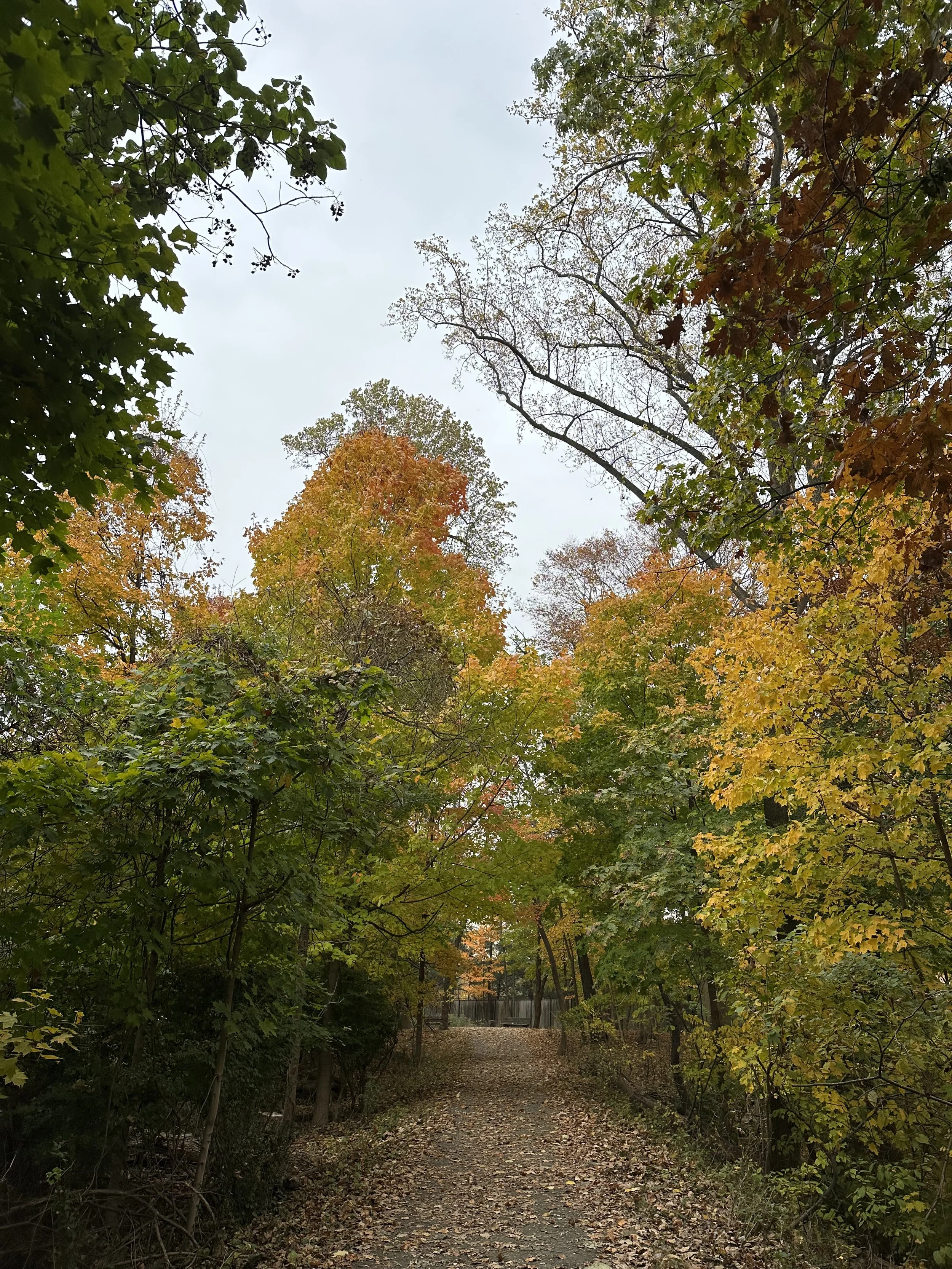
Nature-Informed Therapy (NIT) is a holistic, evidence-based approach to psychotherapy that intentionally integrates the natural environment into the therapeutic process. Rather than treating nature as a backdrop, this approach recognizes the deep connection between the nervous system, the body, and the environment.
Modern life often keeps us indoors, overstimulated, and disconnected from our bodies and natural rhythms. Research shows this can contribute to anxiety, chronic stress, and mental fatigue. Nature-Informed Therapy uses natural environments to support nervous system regulation, presence, and emotional clarity, helping therapy feel more grounded, accessible, and sustainable.
I offer Nature-Informed Therapy in Maryland through outdoor sessions on local trails, as well as nature-informed practices integrated into in-office and virtual therapy when outdoor sessions aren’t accessible or preferred.
How Nature-Informed Therapy Supports Healing
Nature-Informed Therapy can support:
Real-time nervous system co-regulation
Emotional processing through movement and sensory awareness
Reduced stress, anxiety, and mental fatigue
Increased clarity, perspective, and creativity
A greater sense of balance, connection, and belonging
Being in nature can also shift the therapeutic dynamic. Walking side-by-side or sharing space outdoors often reduces pressure and self-consciousness, creating a more collaborative experience where insight and emotional expression can emerge more naturally.
This approach is especially supportive for individuals navigating anxiety, life transitions, burnout, trauma, or neurodivergent experiences such as ADHD, where movement and sensory input can improve focus and emotional regulation.
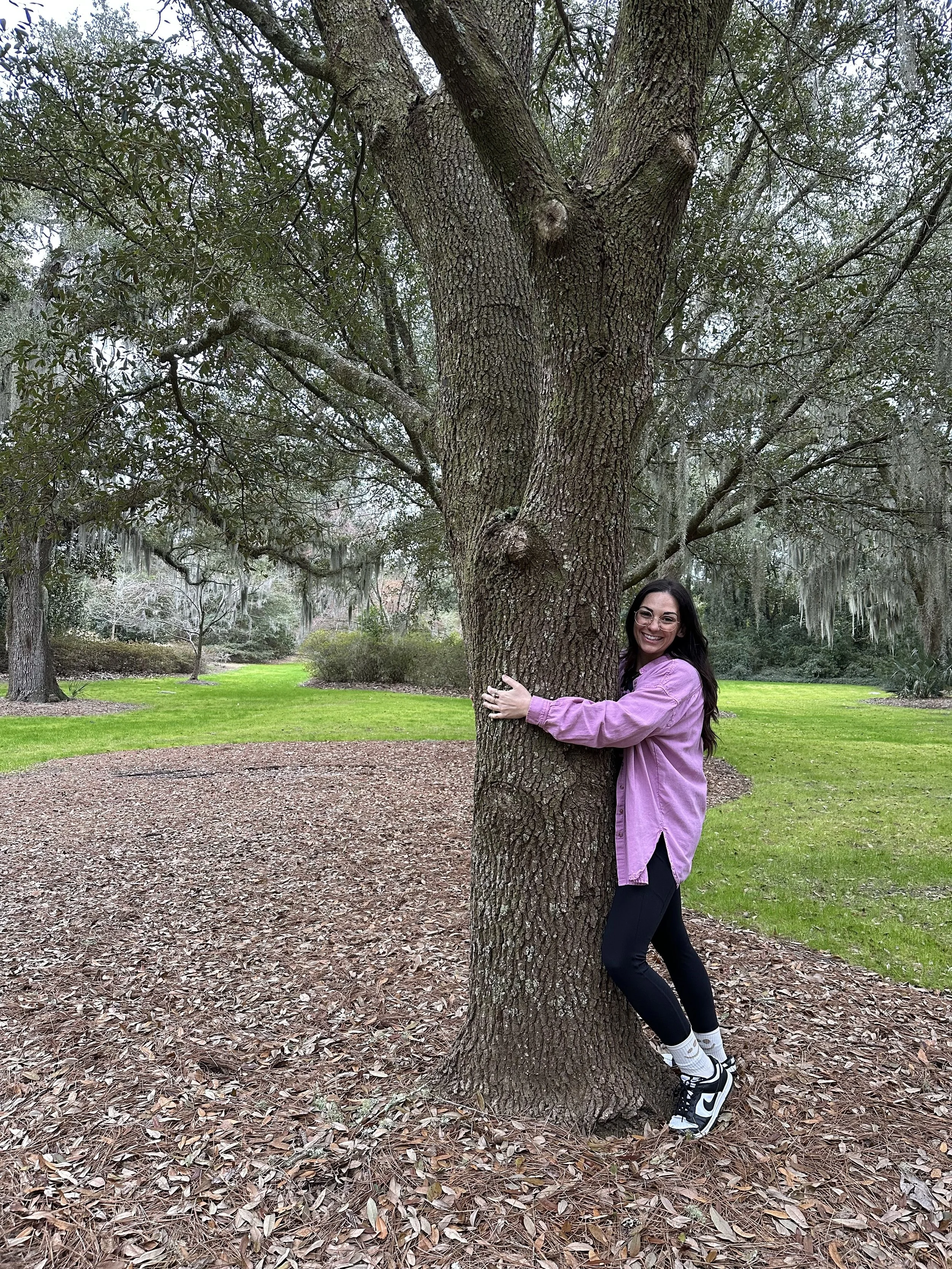
Our nervous systems are constantly responding to our surroundings. Natural environments often provide rhythm, sensory input, and a sense of groundedness that can support regulation and emotional processing—especially for clients who feel overwhelmed, anxious, or stuck in their heads.
What Nature-Informed Therapy Looks Like
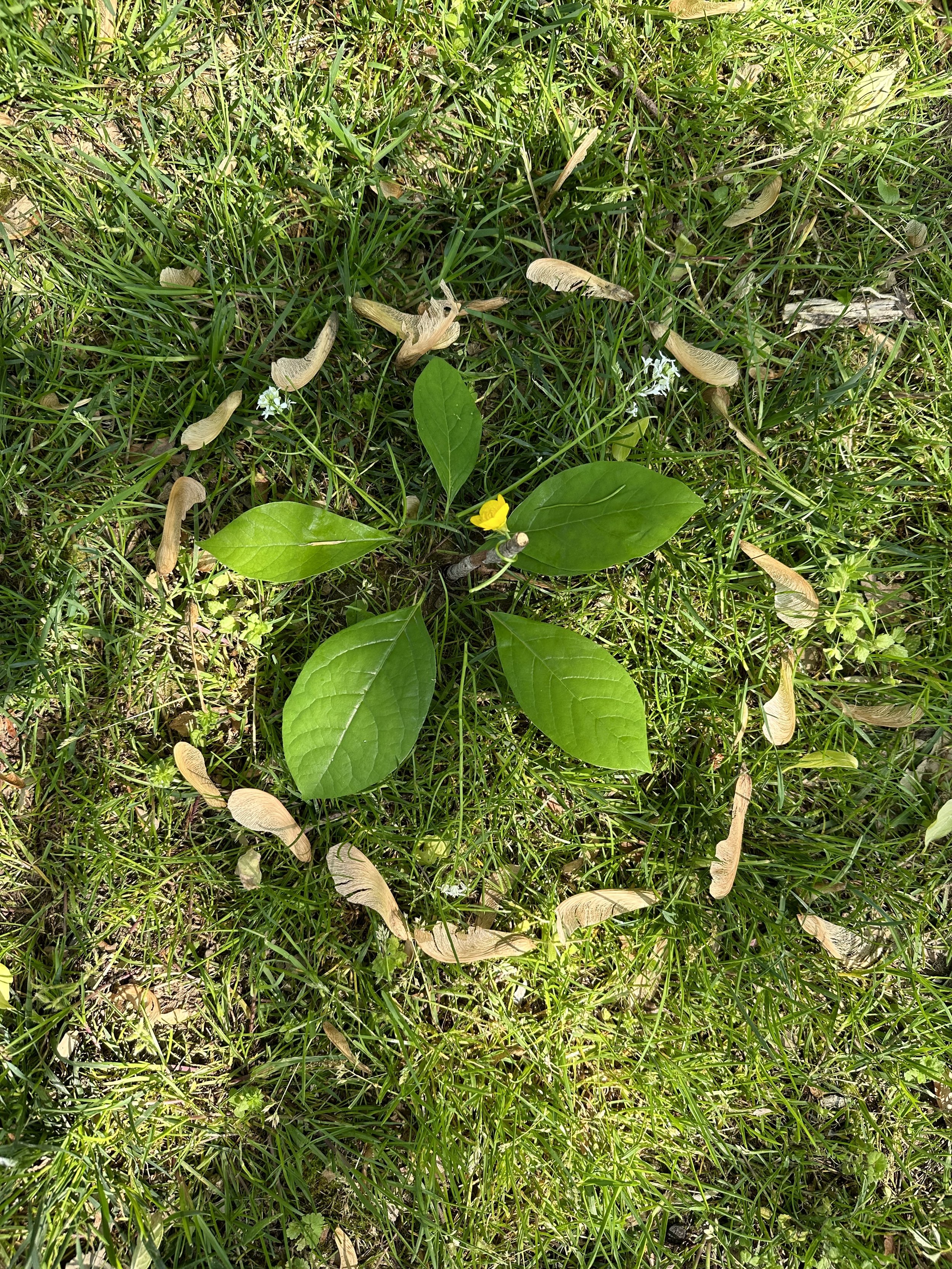
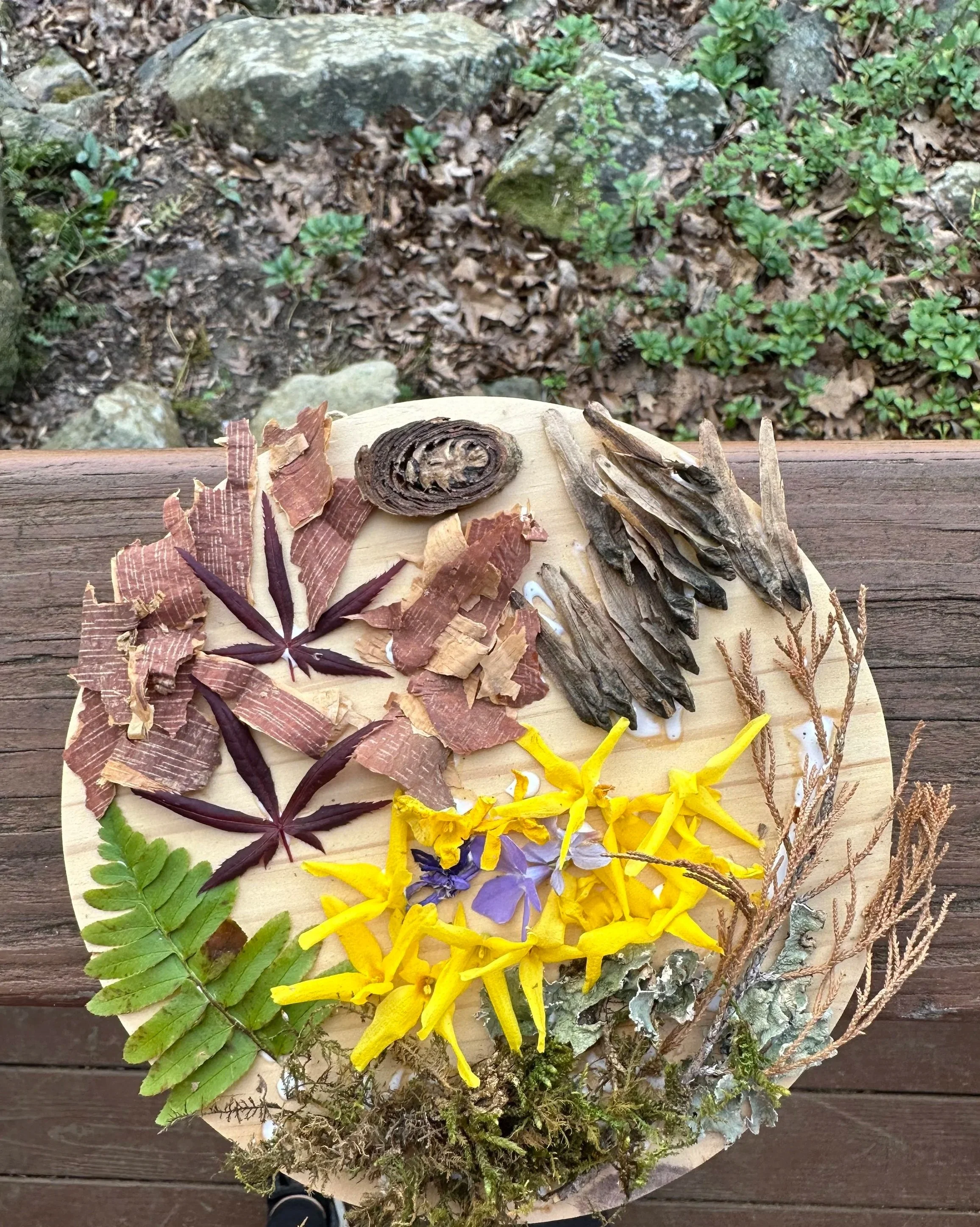
Nature-Informed Therapy is not a hike or unstructured walk-and-talk. It is psychotherapy guided by intention, consent, and clinical skill.
Depending on your needs and preferences, sessions may include:
Walking or seated therapy in outdoor environments
Mindfulness and sensory-based grounding practices
Values-based reflection supported by the natural environment
Somatic awareness and nervous system tracking
Integration of evidence-based modalities such as ACT, Brainspotting, and parts-informed work
Nature-Informed Therapy is always collaborative and optional. Sessions are paced with care, attention to safety, and respect for your comfort, accessibility needs, and emotional readiness. Clients may move between outdoor, in-office, and virtual sessions as needs change.
At its core, this approach honors different nervous systems and ways of engaging. Rather than forcing a one-size-fits-all model, Nature-Informed Therapy offers flexibility, supporting meaningful, values-aligned growth through connection, presence, and choice.
Frequently Asked Questions
Still have questions? Take a look at the FAQ or reach out anytime.
-
No. Nature-Informed Therapy is not a casual walk or unstructured conversation. It is psychotherapy guided by clinical intention, consent, and evidence-based practice, with the natural environment intentionally integrated to support nervous system regulation, awareness, and therapeutic goals.
-
Not at all. You don’t need any special interest in nature or outdoor experience. Sessions are adapted to your comfort level, preferences, and physical needs. Nature-informed principles can also be integrated in-office or virtually if outdoor sessions aren’t accessible or preferred.
-
Yes. Research shows that time in natural environments can support nervous system regulation, reduce stress, and improve emotional clarity. Nature-Informed Therapy is especially helpful for anxiety, chronic stress, emotional overwhelm, and life transitions, particularly for clients who feel stuck in traditional talk therapy alone.
-
Your comfort and safety always come first. If conditions are unsafe, sessions can shift to in-office or virtual therapy, or be rescheduled. At times, non-dangerous weather (such as cooler temperatures or light rain without thunder or lightning) may be used intentionally and with your consent to support distress tolerance and nervous system flexibility.
-
Outdoor locations are selected thoughtfully with attention to privacy, pacing, and safety. We may pause or adjust conversations if others are nearby. Confidentiality is always prioritized, and sessions are structured to maintain ethical and professional standards.
-
Absolutely. Nature-Informed Therapy is integrative and may include evidence-based approaches such as Acceptance and Commitment Therapy (ACT), Brainspotting, mindfulness, and parts-informed work. Nature enhances the therapeutic process rather than replacing clinical care.
-
Nature-Informed Therapy is psychotherapy and may be billed similarly to traditional therapy, depending on your insurance and the format of sessions. I’m happy to discuss this with you during a consultation.